
Soft Roll-Up vs Hard Folding Tonneau Cover: Which Protection Style Fits Your Truck Bed Best?
Truck bed protection comes in two fundamentally different forms: soft roll-up designs that stow against the cab, and hard folding panels that sit flush when closed. Each style solves the same core problem — keeping cargo dry and secure — but the way they achieve it shapes everything from daily usability to long-term durability.
Understanding soft vs hard tonneau construction matters because the trade-offs aren't obvious at first glance. A soft cover might look simpler, but the right vinyl can outlast poorly-made aluminum. A hard folding design promises security, yet some multi-panel systems leak more than a well-installed roll-up. We've spent years working with both formats, and the best choice depends on how you actually use your truck bed, not just which material sounds tougher.
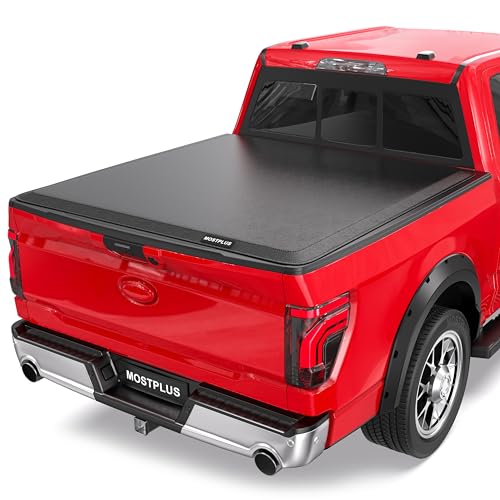
Material Construction and Weather Resistance
Soft roll-up covers typically use heavy-duty vinyl, often rated at 18-24 ounces per square yard, bonded to a powder-coated aluminum frame that runs along the bed rails. The vinyl itself resists UV degradation and can handle temperature swings from -40°F to 180°F without cracking. Hard folding covers use marine-grade aluminum, fiberglass-reinforced composite, or ABS plastic molded into rigid panels — each panel is independently sealed with EPDM rubber gaskets at the edges.
Water intrusion isn’t strictly a material issue; it’s a sealing problem. Soft covers rely on tension to press the vinyl against the bed rails, and that pressure point is where leaks start if the fabric sags. Hard panels seal at multiple hinge lines, and every hinge is a potential gap if the gasket compresses unevenly. According to the ASTM International standards organization, water-tightness testing for truck bed covers measures flow rate under simulated highway rain, and both material types can pass when installed correctly — the difference shows up after two or three years of UV exposure and thermal cycling.
Installation and Daily Operation
A soft roll-up tonneau cover installs with clamp-on rails that require no drilling, and the entire cover rolls toward the cab in about ten seconds when you need full bed access. Hard folding designs bolt into the bed stake pockets or require rail adapters, and opening them means lifting each panel in sequence — some tri-fold models let you stand panels upright against the cab for 100% bed access, while others stop at two-thirds open unless you remove the rear section entirely.
The operational difference becomes clear when you haul oversized cargo regularly. A soft cover you can roll and strap forward stays attached even when carrying plywood or a motorcycle. Most hard folding covers force a choice: leave it fully closed, or remove panels and store them in the garage.
Security and Load Protection Compared
Hard folding covers lock at the tailgate with a keyed cylinder or rotary latch that engages the panel frame, and some models add secondary locks at each fold line. The aluminum or composite panels resist prying better than vinyl, though a determined thief with a crowbar can still pop the tailgate latch itself — the cover’s lock only secures the tonneau, not the truck.
Soft roll-up designs use a similar tailgate latch lock, but the vinyl can be cut with a knife in seconds. The practical security difference matters most for visible deterrence: a hard cover conceals cargo completely and looks solid from outside, while a soft cover signals ‘fabric barrier’ to anyone walking past. For overnight urban parking, that perception gap is real. For job sites where your truck sits among other work vehicles all day, a locked soft cover with hidden cargo is often enough.
Durability Over Years of Use
Vinyl soft covers develop two predictable wear points: the fabric stretches at the roll-up seam after hundreds of cycles, and UV exposure fades the topside color from black to charcoal-gray within three to five years depending on climate. High-quality marine vinyl resists both longer, but it’s still a textile under tension. Replacement fabric panels are available if the frame stays intact.
Hard panels crack at the hinge mounting points if over-torqued during installation, and the gelcoat or powder finish chips where the panels contact each other during folding. Aluminum dents if you stack heavy cargo on a closed cover, though it won’t tear the way vinyl does. If you’re building a custom off-road setup, our off-road 4×4 DIY tonneau cover guide covers reinforcement techniques that apply to both material types.
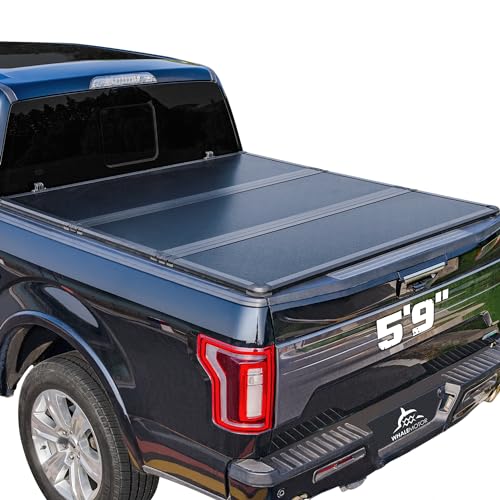
Weight, Aerodynamics, and Fuel Economy
A typical soft roll-up cover weighs 20-30 pounds fully assembled, while a tri-fold hard cover runs 50-70 pounds depending on panel size and material. That weight difference affects handling when you remove the cover for cleaning or storage — a soft cover is a one-person job, a hard folding cover usually requires two people to lift without bending the panels.
Both styles improve fuel economy compared to an open bed by reducing the aerodynamic drag from turbulent air spilling over the tailgate. Independent testing shows a 5-10% improvement in highway MPG with any tonneau installed, and the difference between soft and hard is negligible — the key variable is how flush the cover sits when closed. A soft cover that billows slightly at highway speed gives up some of that gain, which is why tensioning the fabric correctly during installation matters.
Cold Weather and Extreme Conditions
Vinyl stiffens in freezing temperatures, and a soft cover that rolls easily in summer can become difficult to manipulate below 20°F. The fabric doesn’t crack, but the roll-up mechanism fights you until the vinyl warms. Hard panels stay rigid regardless of temperature, though the locking mechanism can freeze if water infiltrates the latch housing.
For extreme off-road or commercial use, companies like ATC Truck Caps manufacture aluminum-framed tonneau systems that split the difference — a hybrid design with a removable hard top on a roll-up frame. If a hinge or latch component breaks in the field, our tonneau cover replacement parts guide walks through diagnosing whether the part is frame-specific or a universal bolt-on piece you can source locally.
Choosing the Right Tonneau Style for Your Needs
The soft versus hard decision comes down to three priorities: how often you need full bed access, how much security you need when parked, and whether you’re willing to trade ease of use for material durability. A soft roll-up cover is the right answer if you haul varying cargo sizes weekly and want a cover that installs in twenty minutes with no permanent modifications. A hard folding cover makes sense if your cargo is consistent in size, you park in high-theft areas, and you value the finished look of a solid panel system.
Neither style is universally better — they’re tools optimized for different use cases. If you’re still unsure after reading this, the tiebreaker is usually installation time and removal frequency. The cover you’ll actually use every day is the one that doesn’t fight you when you’re in a hurry.
Common Questions About Soft and Hard Tonneau Covers
Yes, but only if the rolled section is secured with the included straps or bungee ties. An unsecured roll will flap violently at highway speed and can tear the vinyl or damage the frame. Most soft covers include two or three Velcro straps specifically for this — wrap them tightly around the rolled fabric before driving.
Some do, some don't — check the manufacturer's load rating. Fiberglass-reinforced panels rated for 300+ pounds distributed load can support a person, but standing on the center of a single panel will flex it. Aluminum tri-folds typically aren't rated for standing weight, and doing so will dent the panel or crack the hinge mounts.
Soft covers are simpler: you can replace the vinyl fabric as a standalone part without changing the rail frame, and most clamp adjustments use standard hex bolts. Hard covers require panel replacement if cracked, and matching the original finish color for a single panel can be difficult after a few years of UV fade on the rest of the cover.
Hard folding covers require a smooth bed surface for the side rails to sit flush, so spray-in liners work best. Drop-in plastic liners create a raised edge that can prevent proper panel sealing. Soft roll-up covers clamp onto the bed rail itself and clear most liner styles, though you may need spacer shims if the liner sits higher than the rail top.
Only if the folding cover is specifically designed for short-bed clearance or if you remove the front panel section. Most tri-fold covers require the full bed length to fold properly. Soft roll-up covers can coexist with a front-mounted toolbox because the fabric rolls rearward and doesn't need the front eighteen inches when open.
Hard folding covers win here. The hinge mechanism is designed for thousands of open-close cycles, and the panels don't stretch or sag over time. Soft covers develop tension loss at the roll bar after a few years of daily use, especially if you frequently over-tighten the straps during rolling.