
Kuiperauto Soft Roll-Up Tonneau Cover Won’t Latch? Here’s the Fix
A soft roll-up tonneau cover that won’t latch properly is one of the most common frustrations truck owners encounter, especially after a few months of use. The good news: most latch failures trace back to a handful of straightforward fixes—striker-plate misalignment, debris in the rail channel, or worn weather seals—that take minutes to diagnose and resolve.
We built our soft roll-up covers with field-serviceable latches precisely because we know real-world conditions test every fastener and seal. This guide walks through the exact sequence we recommend for troubleshooting a Kuiperauto soft roll-up tonneau cover that won’t latch, so you can restore a secure, weather-tight seal without a trip to the installer.
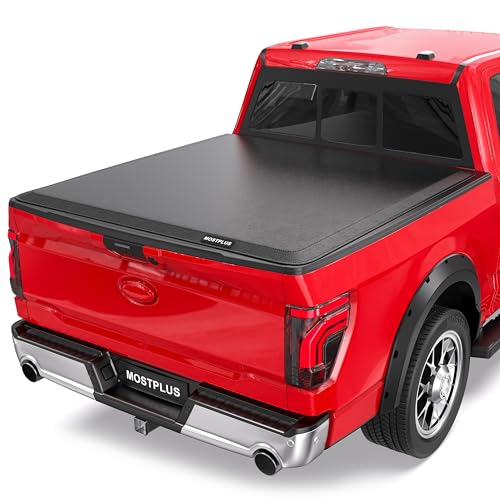
Check the Striker Plate Position First
The striker plate—the metal catch mounted to your truck’s bed rail that the latch hooks into—shifts over time as vibration works hardware loose. Start by opening the cover fully and inspecting both striker plates (one per side rail) for visible gaps between the plate and the rail surface.
Loosen the two Allen-head bolts holding each plate in place by a quarter turn, then slide the plate forward or back along the rail slot until it aligns with the latch tongue when the cover is rolled down. Snug the bolts finger-tight, test the latch action, then torque to 8 ft-lb once you confirm engagement.
If the plate appears bent or the bolt holes are wallowed out, replacement striker hardware is available and installs in minutes with the same two bolts. The ISO 1461 galvanizing standard that governs our striker-plate coating ensures corrosion resistance even in high-salt environments, but physical impact—like a load shifting in the bed—can still deform the plate beyond adjustment.
Clear Debris From the Rail Channel and Latch Mechanism
Dirt, leaves, and road grime pack into the rail extrusion where the cover’s leading edge seats, creating just enough interference to prevent the latch from dropping into the striker. Pull the cover halfway open, then use a stiff brush or compressed air to blow out both side rails from front to back.
Pay particular attention to the latch housing itself—the spring-loaded mechanism can collect fine dust that eventually gums up the return spring. A quick spray of silicone lubricant (never petroleum-based grease, which attracts more dirt) into the latch pivot point restores smooth action.
Once the rails are clean, wipe the weather seal along the cover’s perimeter with a damp rag. Mud or debris stuck to the seal can hold the cover a few millimeters higher than intended, enough to misalign the latch with the striker even when the plate position is correct.
Inspect the Weather Seal for Compression Set
The bulb seal that runs along the cover’s leading edge compresses each time you latch the cover, and over hundreds of cycles that rubber can take a permanent set—it stops rebounding fully, leaving the cover sitting slightly proud of the rail. If your latch feels like it’s grabbing but won’t pull down the last few millimeters, worn seal is the likely culprit.
Run your finger along the seal’s bulb section and check for flat spots or cracks. A healthy seal should feel round and springy; a compressed seal feels hard and oval. Replacement seals press into the same channel as the original and restore the intended compression, bringing the latch back into proper engagement.
While you’re inspecting seals, compare the cover’s behavior to what you’d expect from a hard-folding design—soft roll-ups rely entirely on that perimeter seal to pull the cover taut, so any seal degradation affects latch performance far more than it would on a rigid panel.

Adjust Latch Tension If the Mechanism Feels Loose
Some latch designs include a tension screw that controls how much spring force holds the latch tongue against the striker. If your latch hooks onto the striker but feels sloppy or rattles when driving, the tension may be set too low.
Locate the small set screw on the side of the latch housing (consult your installation manual for the exact position—it varies by model year). Turn the screw clockwise in quarter-turn increments, testing the latch after each adjustment, until you feel firm resistance when you push the cover down but can still release it with normal thumb pressure on the latch paddle.
Over-tightening creates a different problem: the latch becomes difficult to release and the striker plate may bend under the excess load. If you’ve turned the screw more than one full turn without improvement, back it out to the original position and revisit the striker-plate alignment—the root cause is likely positional, not tension.

When to Replace the Latch Assembly Entirely
If the striker is aligned, the rails are clean, the seal is fresh, and the latch still won’t catch, the internal spring or cam inside the latch housing may be faulty. Disassemble the latch by removing the two Phillips screws on the underside of the housing, then inspect the spring for breaks and the cam surface for wear grooves.
Replacement latch assemblies are available as drop-in parts and include the spring, cam, paddle, and housing as a complete unit. Installation takes five minutes and requires only a Phillips screwdriver—no riveting or modification to the cover fabric.
Many of the same seal-maintenance principles that prevent front header leaks also extend latch life: keeping the perimeter clean and lubricated reduces the friction load on the latch mechanism every time you secure the cover. For owners considering different cover styles, it’s worth noting that hard tri-fold designs use clamp latches instead of striker hooks, which handle misalignment differently but introduce their own maintenance requirements.
Most Latch Problems Resolve in Minutes
The overwhelming majority of soft roll-up tonneau cover latch failures come down to striker-plate drift, rail debris, or seal wear—issues that require nothing more than a few hand tools and ten minutes of methodical troubleshooting. Start with the striker position, clear the rails, inspect the seal, and adjust tension in that order.
If you’ve worked through every step here and the latch still won’t catch reliably, reach out to our support team with photos of the striker plate and latch mechanism—we’ll walk through the diagnostic remotely and ship replacement parts if needed. Our soft roll-up covers are built for field service precisely because we know real-world use will eventually test every fastener, and a cover that can’t be fixed quickly isn’t doing its job.
Common Questions About Tonneau Cover Latch Problems
Cold temperatures stiffen the rubber weather seal and reduce its ability to compress, leaving the cover sitting higher than it does in summer. The striker plate that worked perfectly in July may now be a few millimeters too low to catch the latch tongue.
The fix is the same as for seal compression set: either raise the striker plate slightly to meet the stiffer seal, or replace the seal with fresh rubber that retains more flexibility in cold weather. Most quality seals are spec’d to remain pliable down to -20°F, but age degrades that performance.
Minor bends—less than 1/8 inch of deflection—can often be straightened in a bench vise using a block of hardwood to protect the galvanized finish. Clamp the plate gently and apply steady pressure rather than hammering, which risks cracking the zinc coating.
If the bend exceeds 1/8 inch or if the bolt holes are elongated from the plate rocking in place, replacement is the safer choice. A weakened plate may latch initially but will fail again under load, and the cost of a replacement part is negligible compared to the time spent re-bending.
Striker-plate latches, common on soft roll-ups, use a spring-loaded hook that grabs a fixed metal plate on the bed rail—they’re fast to operate but require precise alignment. Clamp latches, typical on hard tri-folds, use a toggle mechanism that tightens a clamp around the rail edge—they tolerate more misalignment but take an extra second to engage.
Neither design is inherently better; the choice depends on your cover style. Soft roll-ups almost always use striker latches because the fabric needs to be pulled taut, while rigid panels can rely on clamp pressure alone.
Every three months if you drive in dusty or wet conditions, twice a year for normal use. Apply a thin film of silicone spray to the latch pivot, the striker plate, and the rail channel—avoid heavy grease, which collects grit and eventually makes the problem worse.
If you notice the latch paddle becoming harder to press or the cover not seating flush after washing the truck, that’s a sign lubrication is overdue. A quick spray takes thirty seconds and prevents most latch failures before they start.
Only if the rattle is coming from the latch itself slapping against the striker. If the noise is from the cover fabric vibrating or the side rails flexing, increasing latch tension won’t help and may actually bend the striker plate under the added load.
Test by pressing down on the latched cover near the latch point while someone else listens—if the rattle stops, tension adjustment will likely solve it. If the noise persists, check the rail mounting bolts and the fabric’s tension adjusters instead.
Yes, if the tailgate sits crooked it can twist the bed rails slightly out of parallel, which in turn shifts the striker plates relative to the latch positions. This is more common on older trucks with worn tailgate hinges or aftermarket tailgates that weren’t shimmed correctly during installation.
Close the tailgate and measure the gap between the top of the closed gate and the bed rail on both sides—if one side shows a gap more than 1/8 inch different from the other, the tailgate may need hinge adjustment before you’ll get consistent latch engagement.