
Kuiperauto Soft Roll-Up vs Hard Folding Tonneau Cover: Which Style Protects Your Truck Bed Best?
When you’re ready to add a tonneau cover to your truck, the first decision isn’t which brand or model—it’s whether a soft roll-up or hard folding design fits the way you actually use your bed. Both styles protect cargo from weather and theft, but they differ sharply in how they open, how much weight they carry, and what kind of punishment they take over years of daily driving.
We build both types at Kuiperauto, and we’ve seen firsthand which questions trip up buyers who assume one style does everything. This guide walks through the real trade-offs—security, weather sealing, bed access, and long-term durability—so you can pick the cover that matches your truck’s job, not just the one that looks good in photos.
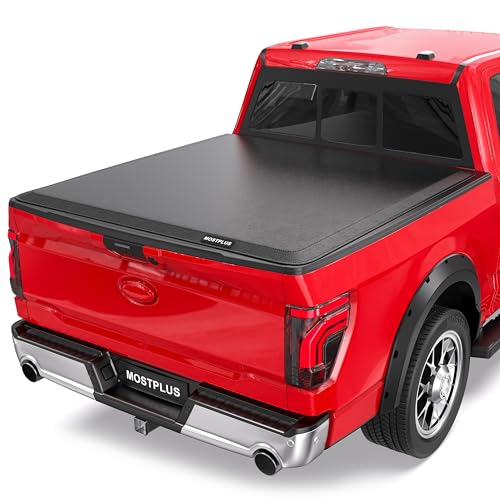
Security: How Each Design Resists Tampering and Forced Entry
A hard folding cover’s aluminum or composite panels stop casual break-ins better than vinyl ever will. The panels lock at the tailgate, and most thieves move on when they can’t peel back a corner in ten seconds.
Soft roll-up covers deter opportunistic theft—cargo stays out of sight—but a determined person with a knife can slice through vinyl in moments. Our soft roll-up tonneau cover uses double-sealed vinyl with reinforced edges, which slows entry and holds up to years of tension, but it’s still fundamentally fabric over a frame.
If you haul tools overnight in job-site parking or leave expensive gear in the bed regularly, the hard folding shell gives you a locked box. If you’re covering landscaping supplies, camping gear, or groceries for an hour, soft vinyl is enough. The National Highway Traffic Safety Administration tracks vehicle theft data that shows visible deterrents reduce opportunistic crime, though no cover stops a professional with time and tools.
Weather Protection: Rain Intrusion, Snow Load, and UV Breakdown
Hard panels shed rain and snow without pooling because the surface slopes and the seams overlap like roof shingles. Water runs to the tailgate, not through the cover. Snow slides off or melts without sagging the structure, and UV won’t crack aluminum the way it eventually degrades vinyl.
Soft covers seal tightly when new—our roll-up design uses continuous weather stripping along every rail—but after two or three years of sun exposure, vinyl loses elasticity and seams start to weep during heavy rain. You’ll see water spots on cardboard boxes after a storm, not puddles, but it’s not bone-dry anymore.
Cold-Weather Performance
In freezing temperatures, vinyl stiffens and becomes harder to roll. You can still open it, but the fabric fights you until it warms up. Hard panels operate the same in January as they do in July—hinges don’t care about temperature, and the latch doesn’t freeze shut if you crack the tailgate once a week.
Bed Access: Speed, Partial Opening, and Load-Height Clearance
Rolling a soft cover takes fifteen seconds: release two clamps, pull the fabric toward the cab, and secure it with straps. You get full bed access instantly, and the rolled bundle sits low enough that you can slide plywood or a mattress underneath without removing anything.
Our hard folding tonneau cover opens in sections—usually three panels that fold against the cab glass. That’s fast for grabbing something near the tailgate, but if you need the whole bed, you’re unlatching and folding all three panels every time. The stack against the cab takes up eight to twelve inches of bed length, and tall cargo won’t fit under the folded assembly the way it does under a rolled soft cover.
If you load and unload twice a day—contractors, landscapers, anyone making multiple stops—the soft cover’s speed adds up. If you open the bed once a week for Home Depot runs, the hard cover’s partial-access feature is actually more convenient.

Long-Term Durability: Maintenance, Replacement Parts, and Lifespan
Aluminum panels last the life of the truck if you don’t back into a low garage door. The powder coating resists chips, hinges rarely seize if you hose off road salt twice a winter, and latches break only if you force them while frozen.
Vinyl eventually fails. Sun breaks down the polymer, seams split, and rails crack if you overtighten the clamps. Specialized truck bed cleaning products help preserve the vinyl’s flexibility and prevent premature cracking, especially if you park outside year-round. You’ll replace a soft cover every five to eight years depending on climate; a hard cover can go fifteen years with nothing but a new latch spring.
Repair and Replacement Costs
When a soft cover tears, you replace the entire vinyl assembly—frame stays, fabric goes. That runs two to three hundred dollars depending on the model. A cracked hard-cover panel can often be swapped individually, and latches are twenty-dollar parts you can install in a parking lot.

Weight, Fuel Economy, and Handling Impact
A soft roll-up weighs twelve to eighteen pounds total. Installation is a one-person job, and removal takes five minutes if you need the bed completely empty for a bulky load.
Hard folding covers run thirty-five to sixty pounds depending on panel material—aluminum is lighter, fiberglass or composite is heavier. That’s noticeable when you’re lifting it onto the rails alone, and if you remove it for a month of heavy hauling, you need a spot in the garage to store a six-foot assembly.
Both styles improve highway fuel economy slightly by smoothing airflow over the bed, though the effect is small—one or two percent at best. The weight difference between them is trivial compared to what you’re already hauling, so don’t pick based on fuel savings. Buyers comparing alternatives sometimes look at our soft roll-up as a Retrax alternative, especially when installation simplicity and lower weight matter more than the rigid-shell protection a retractable hard cover offers.
Picking the Right Tonneau Style for Your Truck’s Real Job
The soft vs hard tonneau decision comes down to what you do with your truck, not which design looks tougher in photos. If you need maximum security, all-weather sealing that lasts a decade, and you don’t mind the weight or the partial-access trade-off, a hard folding cover is the right tool.
If you open and close your bed multiple times a day, need full clearance for tall cargo, and you’re willing to replace the cover every few years, a soft roll-up delivers speed and simplicity without the bulk. We build both at Kuiperauto because both have a place—just not on the same truck for the same driver.
Common Questions When Comparing Soft and Hard Tonneau Covers
Yes, both types handle touchless and brush car washes without damage. Hard covers are completely waterproof and never budge.
Soft covers stay sealed if the clamps are tight, but high-pressure spray can sometimes lift a corner if the vinyl has stretched over time. We recommend hand-washing soft covers after the first year to avoid stress on the seams.
Hard folding covers take more abuse without showing it. Gravel, branches, and tools tossed into the bed won’t puncture aluminum the way they can slice vinyl.
Soft covers work fine on work trucks if you’re careful about what you throw in the bed, but one careless moment with a shovel or a load of rebar can mean a trip to the parts counter for new fabric.
Both install with basic hand tools—usually a socket wrench and a tape measure—and neither requires drilling on most trucks. Soft covers are lighter and more forgiving if the rails aren’t perfectly aligned.
Hard covers demand more precision during installation because the panels have to meet flush at the seams or they’ll leak. Budget an extra fifteen minutes for a hard cover to get the alignment right the first time.
Soft roll-up covers have more universal fitment because the fabric is flexible and the rails adjust to minor bed-length variations. You’ll find soft options for almost any truck made in the last twenty years.
Hard folding covers are model-specific—the panels are pre-sized to your exact bed length, so if the manufacturer doesn’t make a kit for your truck, you’re out of luck. Check fitment before you fall in love with a particular hard-cover design.
Some hard folding covers are rated to carry light roof-rack loads—fifty to seventy-five pounds—if the rack clamps to the cover’s frame rails. Check the weight limit in the installation manual before you bolt anything on.
Soft covers can’t support any load. The vinyl will sag and tear if you try to strap a kayak or cargo box on top.
Hard covers are silent because the panels are rigid and the latches hold them tight against the rails. You won’t hear any flapping or drumming even at seventy-five miles per hour.
Soft covers can flutter slightly in crosswinds if the tension isn’t adjusted correctly, though it’s more of a low hum than a loud flap. Tighten the side rails every few months and the noise goes away.